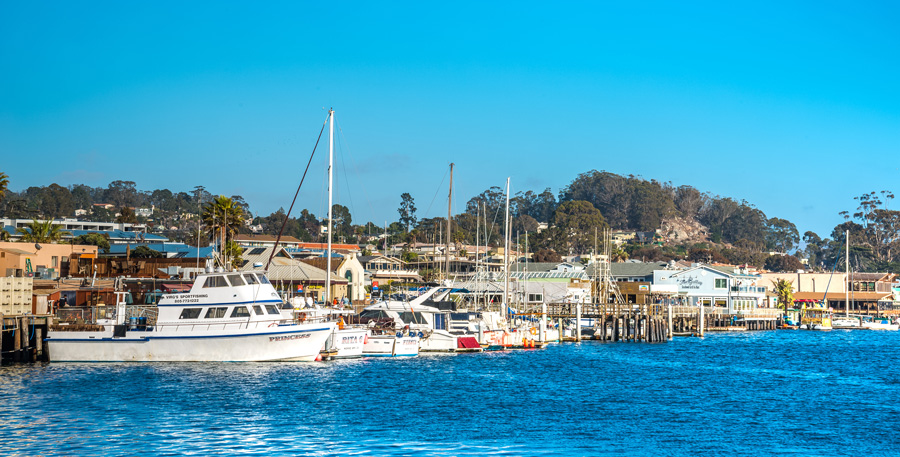
Morro Bay, named for the iconic landmark Morro Rock which sits at the mouth of the bay, is located on the coast in San Luis Obispo County. Morro Rock is one of nine extinct volcanic peaks ranging from San Luis Obispo to Morro Bay. The peaks are named the Nine Sisters because they sit close to each other in a row hugging the coast. The community of Morro Bay, which encompasses 5.2 square miles of land, is approximately 213 miles north of Los Angeles and 231 miles south of San Francisco. The community sits adjacent to Morro Bay State Park which has land on both the eastern border of the community and on the peninsula on the west side of Morro Bay. In the waters adjacent to the Morro Bay State Park there are two MPAs, Morro Bay State Marine Reserve (SMR) and Morro Bay State Marine Recreational Management Area (SMRMA).
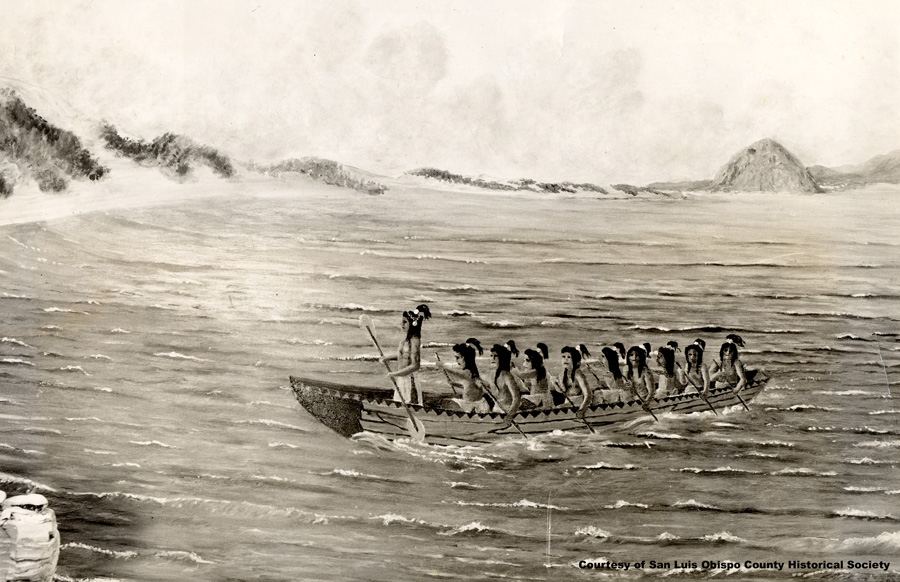
Morro Bay sits on the ancestral homelands of the Chumash and Salinan peoples. Chumash traditional foods include marine and coastal resources that they hunt, fish and forage. Coastal Chumash collected abalone and mussels and established a trade network to pass raw marine materials such as fish, whale bones, and oils to the interior. At one time, Chumash territory encompassed 7,000 square miles along the coast. The community were historically boat-makers, having innovated the plank canoe, the “tomol,” and developed barbed harpoons and shell hooks which allowed them to harvest a more expansive array of fish species. The Chumash population is estimated to have been 22,000 pre-Spanish colonization. After more than two centuries of genocide and colonization, the current population of Chumash, including the Northern Chumash Tribe located in the area called Morro Bay, is estimated to be around 5,000 (Source).
First European contact with the area occurred in 1542 when Portuguese conquistador Juan Rodriguez Cabrillo named the bay’s landmark feature, and namesake, “El Morro.” Spanish galleons sailing the coast used Morro Rock to identify Morro Bay’s safe harbor (Source). However, it was not until the late 1700s that the area was colonized by Spanish settlers. In 1772 the nearby San Luis Obispo de Tolosa Mission was established. The Spanish maintained control of the area until 1822 when Mexico separated from Spain and laid claim to the region. Cattle ranching became the dominant industry through a patchwork of ranchos—Mexican landholdings of up to 44,000 acres––dotted the landscape and bartered hides and tallow with foreign traders. Mexico ceded the area known as Alta California to the United States in 1848. A series of settlers began acquiring land around Morro Bay from the US government. In 1870, the town of Morro Bay was founded. That same year one of the founders, Franklin Riley, built a wharf which soon became Morro Bay’s bustling “Embarcadero” (Spanish for pier). The town grew quickly based on trade in wool, dairy products, potatoes, and barley (Source).
Beginning in the 1890s, residents began quarrying Morro Rock, a practice that continued until 1968 when the rock was declared a historical landmark. Originally, boats entered the harbor through channels on the north and south sides of the rock. However, erratic winds and tide swells made both passes dangerous options, driving many ships to instead call at Port Cayucos, a nearby deep-water port (Source). By the 1930s the community decided to improve the harbor and used rocks quarried from Morro Rock to build a jetty and causeway closing the north entrance of the harbor and a breakwater at the south entrance.
The commercial abalone fishery began in 1916 in Morro Bay, peaking in the late 1950s. However, the fishery declined sharply in the 1970s, and the last commercial abalone landing in Morro Bay was in 1980. The fishery is thought to have collapsed due to several factors including overfishing, withering foot disease and the impacts of El Nino (warming ocean) on kelp. For Morro Bay, in particular, data links reduced abalone landings with an increase in the number of Southern sea otters (Source).
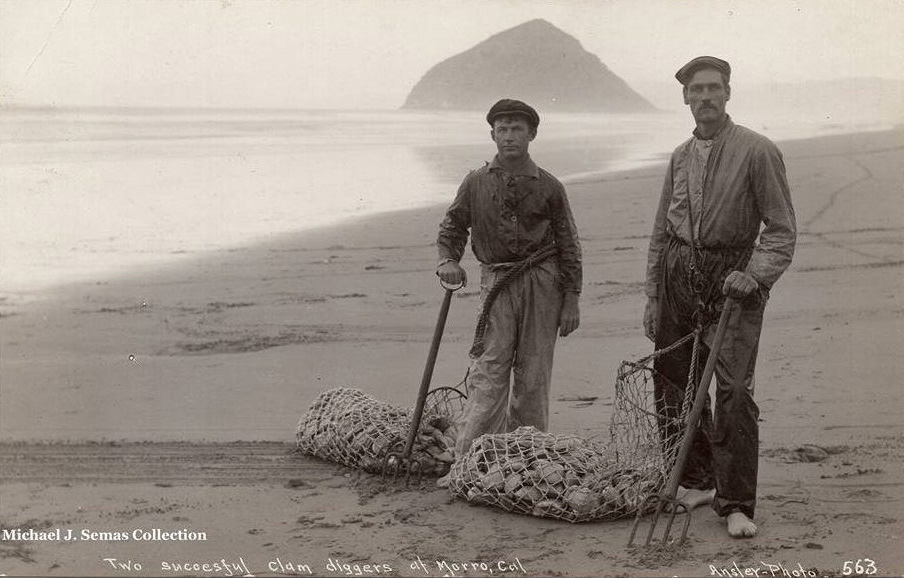
By the 1930s, the Embarcadero bustled as commercial fishers began targeting additional species such as albacore tuna, salmon, and sardines. By the 1940s, the U.S. Navy began operations in Morro Bay, however, Navy facilities at the port fell into disrepair after World War II. Although abalone stocks have dramatically declined, Morro Bay became a significant fishing port for halibut and groundfish, including rockfish, sole, and other species in both the commercial and sport fishing sectors (Source). In the latter half of the 20th century, Morro Bay, like other ports along the California coast, saw new fisheries emerge. The market squid fishery became California’s largest commercial fishery by volume in 1993 and by 1996 it was the most valuable fishery in the state. The pink shrimp trawl fishery began off of Morro Bay in 1952, though it soon became a primarily north coast fishery. Landings from pink shrimp peaked in the mid-1990s, however a combination of factors led to a decline in landings in the 2000s, such as a weak market due to competition from other shrimp fisheries, aquaculture competition, the federal groundfish vessel buyback program, and environmental conditions negatively impacted species recruitment (Source). In 2006, Morro Bay had its first Pacific hagfish landings and the fishery has grown since that time.
Tourism is an important industry in Morro Bay’s contemporary economy. The Morro Bay Harbor Festival is an annual celebration of the area’s unique food, wine, lifestyle, and working waterfront. Other local attractions include Morro Bay State Park, a state beach, and the Morro Bay Aquarium located on the Embarcadero. Tourists come for birding, boating, fishing, hiking, and sailing. Commercial and recreational fishing have been the nucleus of the port, but today it also draws tourists and sport fishers.